
FEARLESS
Enabling Innovation Adoption in Real-Life Care Ecosystems
AGAPE created a methodology and toolkit to help older adults, caregivers and policymakers adopt digital services more effectively. By profiling users, coaching them through behavioural change and aligning technology with local policy and services, AGAPE focused on making innovation truly usable and sustainable in real-life settings.
FEARLESS was an early AAL project that tackled one of the most pressing concerns for older adults living independently: the fear of falling. By developing a contactless, privacy-preserving fall detection system, the project not only advanced technical innovation but also laid the foundation for long-term business success. Today, its legacy continues in a widely adopted commercial solution and a more innovation-ready care sector across Europe.
FEARLESS aimed to support older adults living alone by reducing their fear of falling and increasing their sense of safety at home. The project addressed both physical and emotional needs by detecting critical situations like falls or prolonged inactivity without requiring users to wear devices or install cameras. Its core technology was a contactless, ambient sensor system using room-based processing to interpret behavioural patterns. At the time, this non-intrusive approach was innovative and aligned closely with the dignity and autonomy of the target group. FEARLESS was recognised as an AAL Success Story in 2015 / 2016 for its strong user involvement and early real-world piloting. It was seen as a breakthrough in combining psychological reassurance with technical safety in ageing-in-place solutions.
Sustained Outcomes
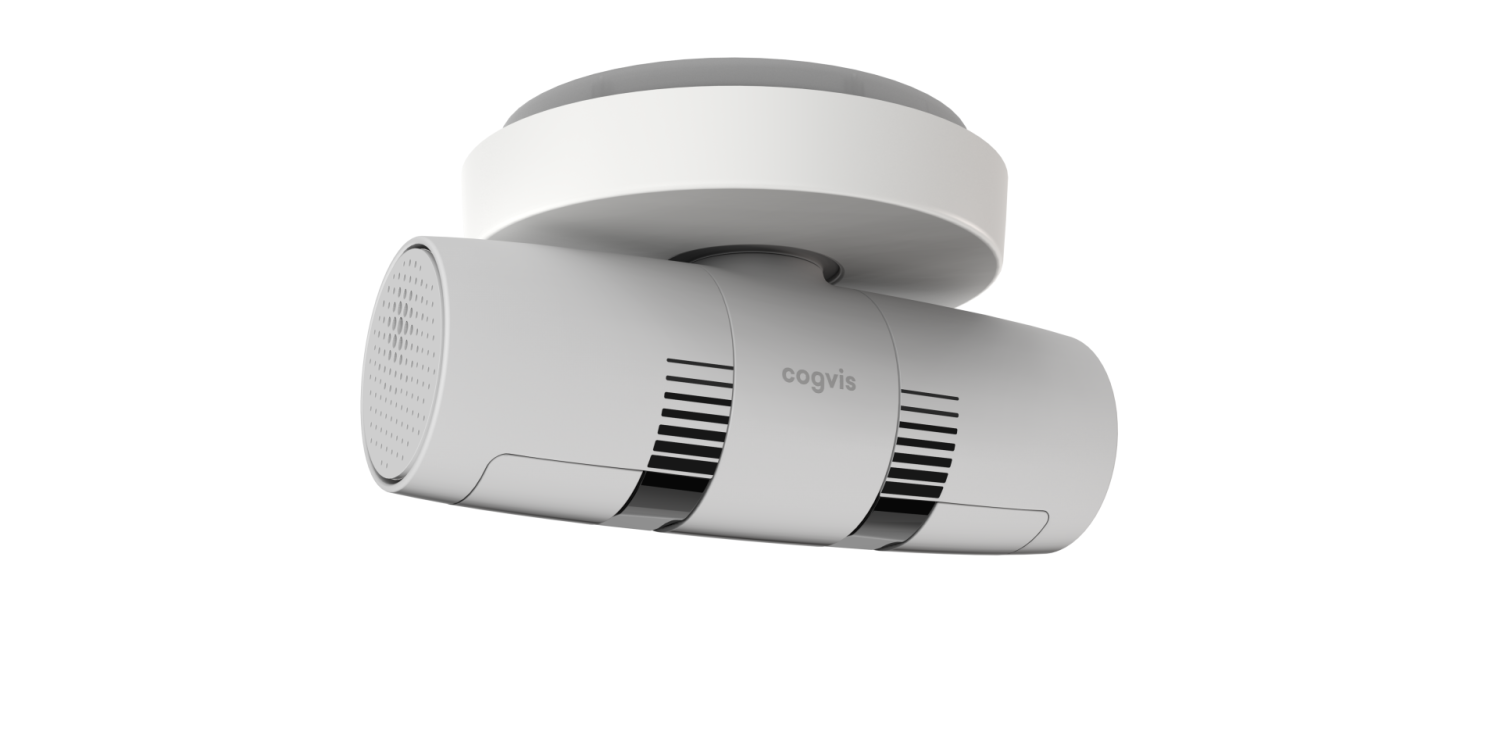
FEARLESS laid the foundation for project leader’s – cogvis – current commercial products, with fall detection remaining a core feature. Although hardware limitations delayed initial rollout, the project marked a starting point for both technological development and market understanding. The system has since evolved into an AI-powered solution, now deployed in over 10,000 care facility/hospital rooms across Europe. Partnerships established during the project – particularly with care organisations – continued and provided essential real-world data for further development. Moreover, the project helped shift the care sector’s mindset, increasing openness to digital innovation and preparing providers to partici pate more actively in tech-driven R&D.
Being featured as an AAL Success Story gave FEARLESS recognition for its early and large-scale end-user involvement, which was rare at the time. The project stood out by integrating care organisations not only as test sites but as active partners in shaping the solution. This visibility reinforced its orientation towards real-world applicability rather than academic output, supporting its long-term strategic direction. Perhaps most importantly, the project helped legitimize R&D participation within the care sector, paving the way for ongoing collaboration and innovation readiness across the field.
The project helped prepare the entire care sector for digital innovation. At the time, care organisations had little experience with technology development. FEARLESS opened the door and showed them that they could be active partners in shaping future solutions.”
Michael Brandstötter, founder and partner, cogvis software and consulting GmbH
Barriers and Challenges
One key barrier was the limited viability of the private home market, where FEARLESS initially focused. High product costs and the need for extensive user support made broad consumer adoption unfeasible. Even today, similar solutions struggle to sustain themselves in that segment. The transition to institutional care settings was more promising, but required long development cycles, patient investment, and ongoing technical support. Additionally, the digital maturity of care organisations at the time was low, making adoption slow and resource-intensive – a challenge still relevant today. These realities were underestimated, both during and after the project.
Partnerships and Networks
Key partnerships formed during FEARLESS – particularly with care providers and end-user organisations – continued well beyond the project’s end and were critical for iterative product development. These partners enabled long-term access to real-life environments and data, which later became essential for training AI models. The project also contributed to a broader shift: care organisations became increasingly willing and able to engage in R&D activities. What had once been unusual – provider participation in tech development – has now become standard practice, in part due to groundwork laid by FEARLESS and similar projects.
FEARLESS led to the development of a commercially available product that is now used in over 10,000 rooms across nearly 300 institutions in Europe and has achieved the broadest adoption among competitors in the fall detection space. The product has expanded into new markets such as hospitals, offering additional features like fall prevention, bed behaviour monitoring and delirium detection. Despite long sales cycles, especially in healthcare, the solution has proven resilient. The company’s survival in a competitive field – where many others failed – speaks to the lasting business relevance of the original AAL-funded innovation.
Reflections: What Remains?
With today’s knowledge, the project team would have broadened its market focus earlier to include institutional care, rather than targeting private homes alone. While the project’s emphasis on end-user involvement and cross-sector partnerships was highly effective, the long path to market readiness was underestimated. It became clear that bringing such a product to full maturity takes not just years – but patient capital and extended commitment beyond the project lifecycle. More streamlined reporting between national and EU funders and stronger alignment with long-term business realities would have improved efficiency. Most importantly, expectations around time-to-impact in healthcare innovation need to be recalibrated – seven years proved a realistic timeline from prototype to viable business.
Project Info
FEARLESS marked the beginning of a long-term innovation trajectory that transformed a prototype into a widely adopted fall prevention system in institutional care. It helped catalyse a shift in the sector by involving care organisations as active development partners – an approach that has become a standard in AAL projects.