Bringing Cultural Heritage to Older Adults, Wherever They Are
BeauCoup created new ways to share museum collections with older adults beyond museum walls. Through multisensory boxes, mobile backpacks and digital exhibitions, the project developed flexible delivery models that make cultural heritage accessible in homes, care centres and community spaces.
Making Culture Reach People Who Can No Longer Visit Museums
BeauCoup began with a simple but powerful idea: many older adults cannot visit museums, yet cultural participation remains essential for wellbeing. The project, coordinated by AIT Austrian Institute of Technology, set out to create solutions that could bring curated cultural experiences to people – wherever they live. The team developed three complementary models: the bag, a mobile kit carried by facilitators; the box, a larger multisensory set sent to care centres; and the screen, a digital platform enabling virtual exhibitions and guided tours. Together, they formed a continuum from inmuseum preparation to fully remote access.
Multisensory and Mobile: Designing Tangible Cultural Experiences
The University of Siena designed and built the two physical systems within the box model. The Magic Casket, a multisensory storytelling system, combines tangible replicas, olfactory stimuli, soundscapes and tactile elements to let participants explore artworks through touch, smell and narrative. It was extensively tested in day centres, museums and homes – where it proved highly engaging and easy to use for people with varying abilities. Siena also designed the Travelling Backpack, worn on the front to allow facilitators to share objects and stories during community walks or local visits. Both tools were widely appreciated and received interest well beyond the project’s end.
Digital Exhibitions That Connect Museums Across Europe
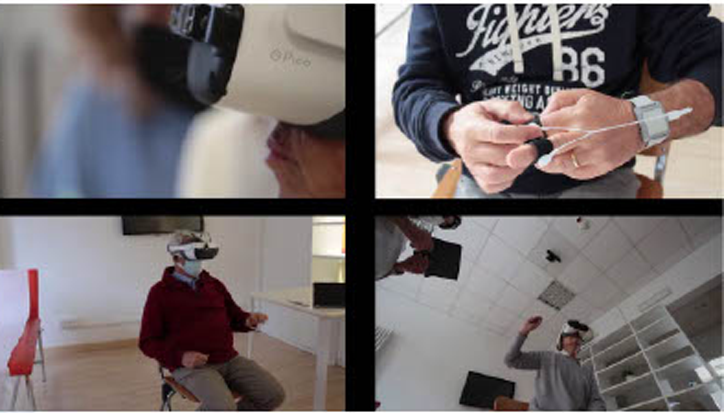
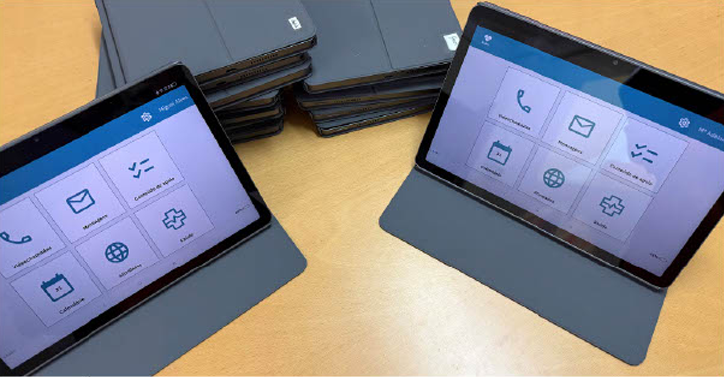
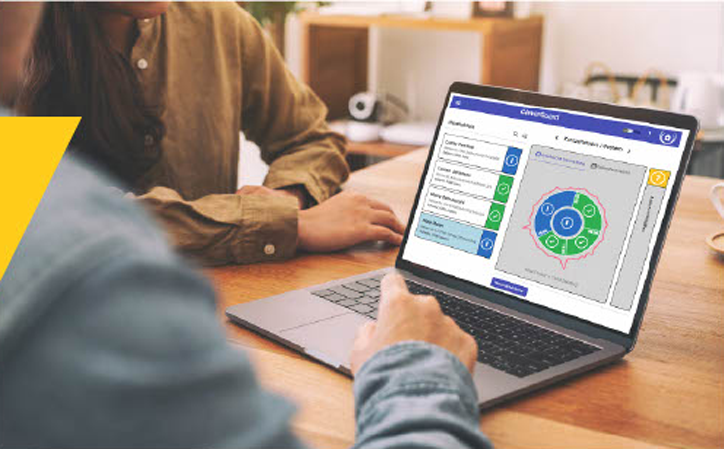
The digital screen platform enabled virtual access to curated exhibitions, including real-time guided sessions. Unlike standard video calls, the system allowed participants to move freely between artworks, while the guide gently brought the group back together when introducing the next object. This format also enabled cross-museum exhibitions that brought together collections from Siena, Ljubljana, Lisbon and Graz, creating thematic journeys impossible in a single physical museum. During the COVID-19 lockdowns, these digital formats became even more relevant and highly valued.
Strong Demand Meets Post-Project Challenges
After the project ended, Siena continued to refine the Magic Casket and received multiple requests to purchase the system. A new, more compact version was created. However, exploitation proved difficult: partner communication slowed once funding ended, and formalising agreements for commercialisation became a major hurdle. Issues such as intellectual property, replica licensing and museum content rights also complicated progress. The consortium agreed on the need for structured post-project support to help promising results transition to market-ready products.
Lessons Learned: User Involvement and Sustainability Planning Are Key
BeauCoup showed how valuable co-creation can be. Older adults, caregivers, curators and decision-makers were involved throughout, ensuring each model met real needs. The project also demonstrated that cultural delivery requires a continuum of solutions – not a single tool. At the same time, partners emphasised that sustainable adoption requires clearer post-project pathways, continued collaboration and dedicated support for exploitation activities.
Project Info
BeauCoup was an AAL project developing mobile, multisensory and digital tools to bring museum content to older adults in homes and care settings. Solutions were piloted in Austria, Italy, Portugal and Slovenia, with the Magic Casket continuing to evolve after the project.