Virtual Reality Rehabilitation for Complex Chronic Conditions
RecoveryFun developed a VR-based rehabilitation system that supports patients with chronic diseases and motor or cognitive impairments. Through international clinical testing and interdisciplinary collaboration, the project created engaging exercises, stress-monitoring features and a clinical dashboard that later shaped Tech4Care’s ongoing commercial development.
A Digital Therapy Concept Rooted in Real Clinical Needs
RecoveryFun set out to explore how virtual reality could improve rehabilitation for people living with chronic and neurodegenerative conditions. Tech4Care, acting as one of the technical partners, focused on creating immersive VR exercises paired with sensors to capture movement performance and stress indicators. The idea was to make therapy more motivating and precise while giving clinicians clearer insights. The project brought together partners from Italy, Switzerland, Belgium and Romania, including hospitals and research institutions that contributed their expertise and access to real patient environments.
Building and Testing an Integrated VR Rehabilitation System
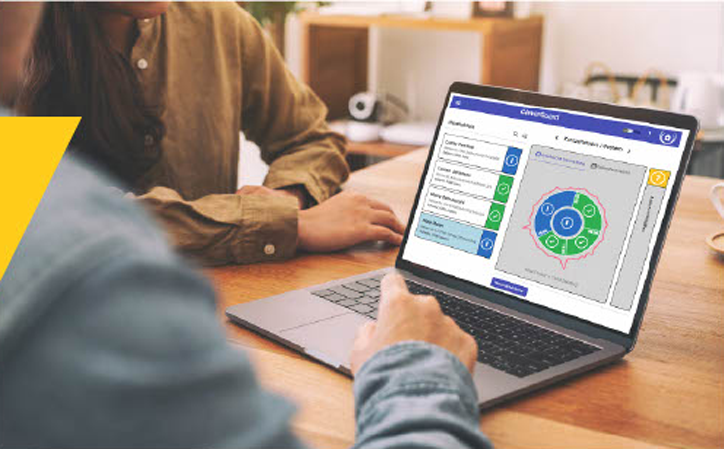
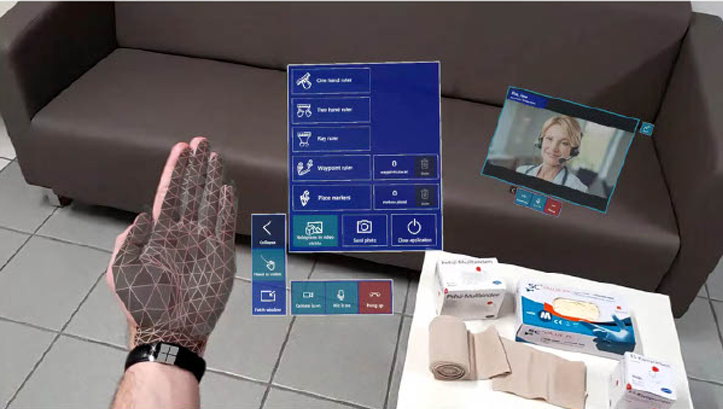
Tech4Care developed the VR software deployed on headsets and created the clinical web platform for therapists, allowing them to manage patients, review data and monitor progress. Other partners contributed sensors and movement-tracking components and ensured clinical relevance through extensive feedback loops. Crucially, the consortium tested the full system with patients in leading rehabilitation centres such as IRCCS INRCA in Italy and specialised clinics in Switzerland and Belgium. These pilots allowed continuous refinement of exercises, interaction modalities and data presentation, ensuring the prototype reflected practical therapeutic workflows.
A prototype is just the beginning – turning rehabilitation technology into real impact requires strong partners, clear communication and sustained support.“
Mauro Catena, Tech4Care
From Prototype to Continued Development Beyond the Project
While the integrated system achieved strong results in clinical trials, market uptake of such a complex solution required more resources than a small startup could sustain alone. After the project ended, Tech4Care continued developing the components it owned, updating the VR software and expanding the exercise catalogue. The company is evaluating new clinical trials in Switzerland leveraging the possible contribution of a local insurance provider, to explore reimbursement pathways that help patients use the system at home. Several subcomponents are already registered as medical devices, while full system certification will require further evidence.
Key Learnings: Diversity of Practices and the Need for Customisation
Working with clinics across four countries provided Tech4Care with deep insight into different rehabilitation practices. Teams learned that patients require highly customisable exercises to reflect varying levels of Mauro Catena, Tech4Care severity and different therapeutic goals. RecoveryFun also revealed the need for broader exercise libraries and stronger personalisation options, many of which now guide the company’s ongoing development.
Challenges and Outlook: Scaling Requires Visibility and Strong Partners
The project’s main challenge lay in the complexity of commercialisation. Launching an integrated VR rehabilitation system requires significant investment in marketing, communication and long-term followup – resources that small companies often lack. Tech4Care stresses the need for strong partners and early outreach beyond specialist circles to avoid losing momentum once funding ends. The company continues to refine the system, explore new fields such as autism therapy and build strategic alliances to bring VR rehabilitation into patients’ homes.
Project Info
RecoveryFun was an AAL project creating a VRbased rehabilitation system combining immersive exercises, sensors and a clinical dashboard. The consortium included partners from Italy, Switzerland, Belgium and Romania, with Tech4Care leading software development and continuing the system’s evolution after the project.