Enabling Innovation Adoption in Real-Life Care Ecosystems
AGAPE created a methodology and toolkit to help older adults, caregivers and policymakers adopt digital services more effectively. By profiling users, coaching them through behavioural change and aligning technology with local policy and services, AGAPE focused on making innovation truly usable and sustainable in real-life settings.
Designing Innovation Around Real Ecosystems, Not Just Technology
AGAPE emerged from MEDEA’s long-standing experience in bringing innovation into real-life care environments. Instead of starting from a technology concept, the project began by mapping the ecosystem in all the piloting areas; Tuscany, Coimbra and Bucharest: policy directions, existing services, digital skills and the needs of older adults and caregivers. Engaging policymakers from the outset ensured that the solutions developed would align with regional priorities and be sustainable beyond the project.
A Methodology for Supporting People Through Digital Change
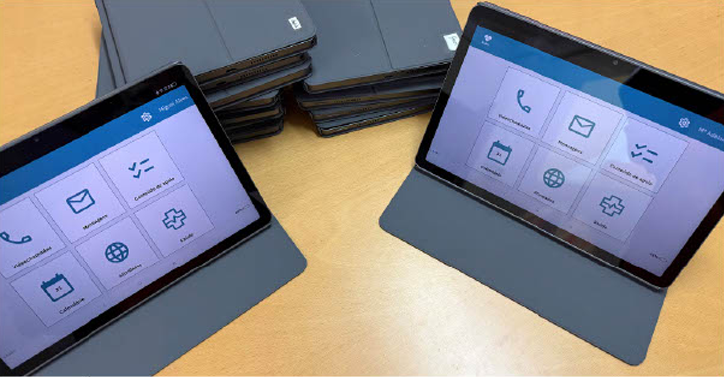
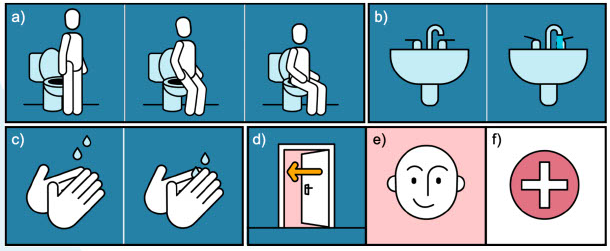
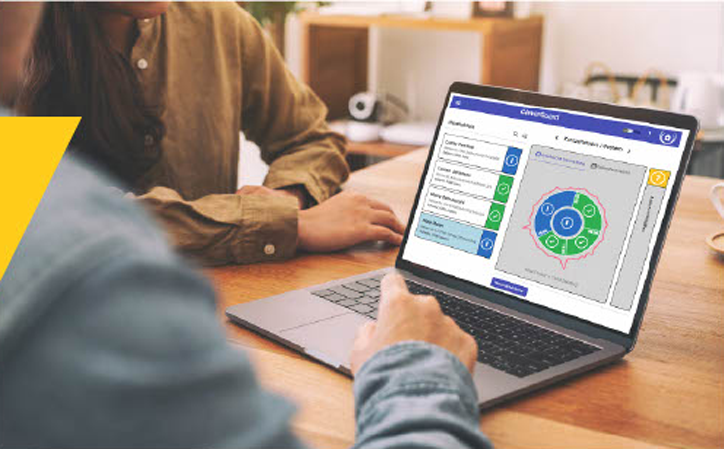
The heart of AGAPE is an innovation adoption methodology that profiles users, identifies their digital skills and readiness for change, and adapts services and interfaces accordingly. The project introduced the role of the AGAPE Coach, who supports participants either in person or virtually, depending on their abilities. Combining psychological behavioural-change theories with personalised support enabled users to gradually build confidence and adopt digital tools more effectively. The toolkit also allowed solutions to be customised based on user needs, digital literacy and motivation.
Innovation only succeeds when it starts from real life and supports people step by step in adopting new services.”
Pietro Dionisio, Project Manager, Medea S.r.l.
Pilots in Three Countries Revealed Cultural and System-Level Differences
Pilots in Tuscany, Coimbra and Bucharest showed how innovation adoption is influenced by local culture and care practices. In Romania, for example, prevention and healthy lifestyles are less embedded in daily routines, making behavioural change a central innovation challenge. The project evaluated not only digital skills but also health literacy and openness to new services. While the team had hoped to include users with very low digital skills, most participants had a moderate level; still, AGAPE demonstrated that personalised coaching and adapted interfaces can significantly increase confidence and willingness to use digital tools.
Stronger Results Than Expected – And Areas Still to Explore
AGAPE’s innovation adoption toolkit and coach model were widely recognised as its most valuable results, even surpassing expectations. Reviewers highlighted the approach as a distinctive contribution beyond technology development. However, the team could not fully test all planned adaptations, such as more granular interface versions for people with no digital experience. Longer trials would also have allowed deeper exploration of behavioural-change dynamics, which showed promising impact but needed more time to measure comprehensively.
Outlook: From Project Result to Regional Policy Conversations
MEDEA continues to refine AGAPE’s methodology through new European projects and local initiatives. Discussions with policymakers in Tuscany remain active, aiming to integrate the approach into regional agendas for prevention and home care. Many end users who participated in AGAPE have already been included in further initiatives. For MEDEA, AGAPE confirmed that sustainable innovation must begin at the proposal stage, with ecosystem mapping and stakeholder engagement embedded “by design,” and that adoption strategies are essential for translating technological ideas into everyday practice.
Project Info
AGAPE was an AAL project led by MEDEA that developed an innovation adoption methodology and toolkit, tested in Tuscany, Coimbra and Bucharest. Through user profiling, coaching and ecosystem mapping, the project aimed to make digital services more usable, acceptable and sustainable in real care environments.