Strengthening Communication and Support in Home Care Networks
The Care about Care project partners developed two digital services to support care workers, home care service users and their relatives in coordinating everyday care. Through mixed-reality guidance and an easy-to-use communication app, the project explored how technology can strengthen care networks across Austria, Luxembourg and Belgium.
Aiming to Support the Entire Care Network
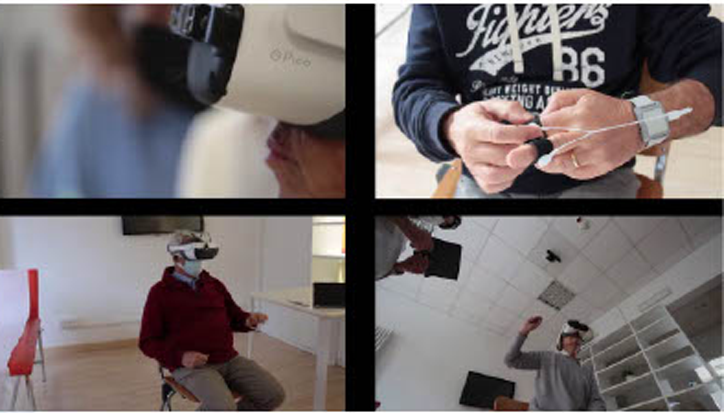
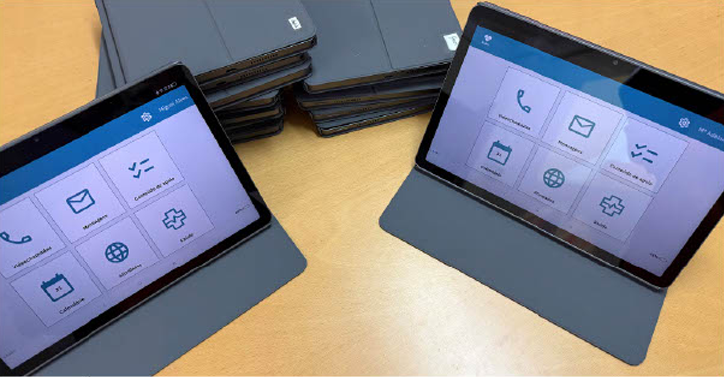
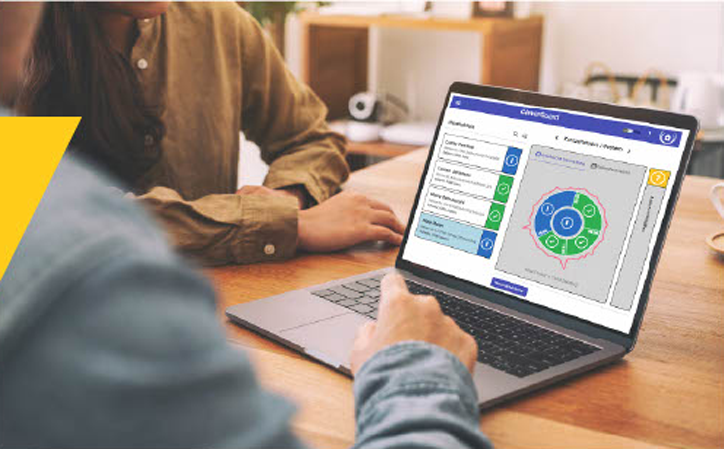
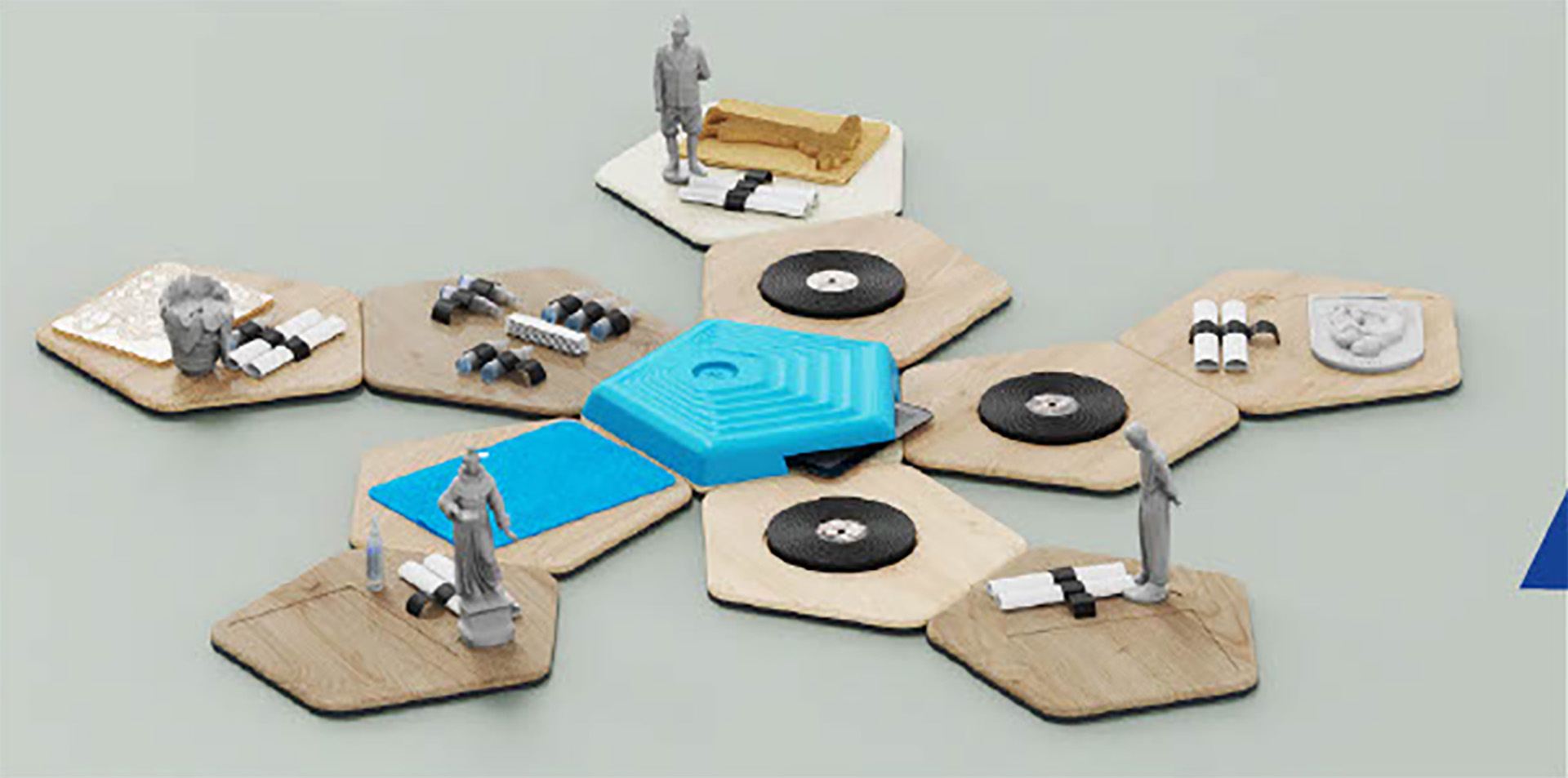
The Care about Care project set out to improve collaboration and communication between care workers, people needing support at home and their family carers. Two innovative digital solutions were developed and tested: (i) Remote Care Assist, a mixed-reality service enabling care workers to receive on-site assistance, and (ii) the Care App supporting care appointment management, now commercialised as myneva.connect. Cornelia Schneider (University of Applied Sciences Wiener Neustadt) coordinated project activities in close collaboration with Birgit Trukeschitz (WU Vienna University of Economics and Business).
Developing Two Solutions with Different Paths to Market
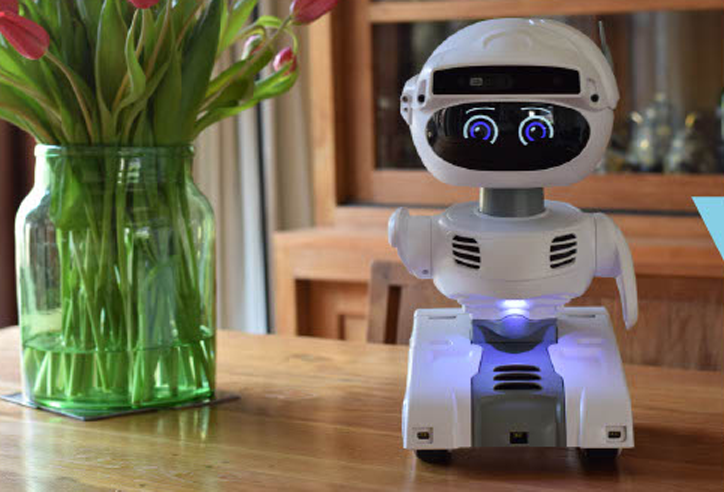
The smartphone-based Care App reached market readiness shortly after the end of the project, as its technical complexity was manageable and its value for care organisations became clear early on. The innovative integration of advanced mixed-reality components and additional devices into Remote Care Assist required more time and testing on its route to market. It is now being further developed and tested within follow-up projects that expand language support and introduce additional features such as translation and chat-based assistance.
Extensive User Involvement Across Three Countries
The consortium involved end-user organisations in Austria, Luxembourg and Belgium, each recruiting care workers, home care service users and their family carers. Members of all target groups were involved in cocreating and testing the two digital solutions. The project showed that with well-prepared training and phased testing, even complex technologies like mixed reality, used for the Remote Care Assist, can be adopted by care workers. Testing, however, also revealed organisational aspects relevant for successful implementation of digital technologies in long-term care settings. The team was impressed by how quickly home care service users and their carers learned to check and manage care appointments using the Care App and how frequently the Care App was used in their daily routines.
Success Factors and Challenges: Partners, Planning and Recruitment
A key success factor was the commitment of project partners with different backgrounds and roles – care provision, digital development, evaluation expertise and business. Previous collaboration between some key partners enabled a smooth project start. Several smaller tests involving the target groups throughout the project supported the technical development of the solutions. However, recruiting of participants for field trials turned out demanding, requiring multiple outreach approaches, including printed flyers and automated messaging through care organisations. Such challenges may be a consequence of the project itself as participants want to use the technology for as long as they need it, rather than testing it for a limited period. In addition, complexity was added by developing and testing two technologies which resulted in having to manage diverse target groups and planning and conducting workshops and test settings tailored to these target groups.
With the right preparation, even complex technologies like mixed reality can work smoothly in real home-care situations.”
Dr Cornelia Schneider, project coordinator, University of Applied Sciences Wiener Neustadt
Outlook: Clarifying Roles, Rights and Routes to Market
Post-project, the project team is aware of the importance of agreeing on intellectual property rights early, as delays in clarifying responsibilities may slow commercialisation. Challenges remain in Europe’s care-technology market, where scattered and unclear reimbursement structures and regulations can hinder innovation. Nonetheless, Remote Care Assist continues to evolve through follow-up projects, and the Care App, now myneva.connect, is already available on the market, supporting communication in everyday home care.
Project Info
Care about Care was an AAL project that developed two digital services – Remote Care Assist and the Care App – to support communication and guidance in home care. The project involved partners in Austria, Luxembourg, Belgium and Switzerland.