Digital Rehabilitation to Restore Communication After Stroke
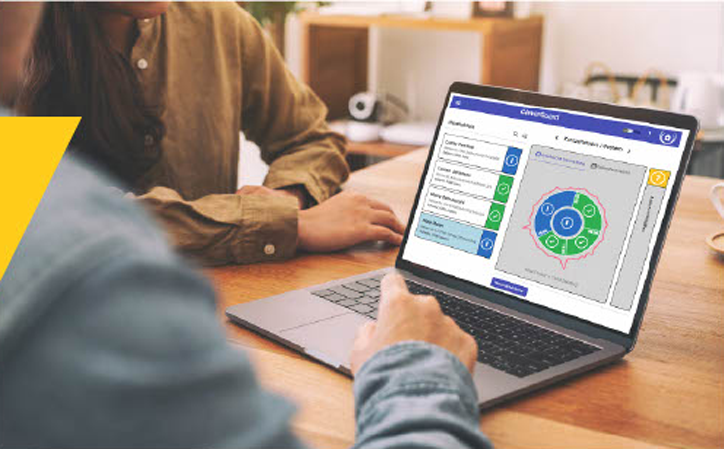
ORACIA developed a clinically grounded digital rehabilitation tool for people with aphasia after stroke. By combining therapist-supervised exercises with home-based practice, the project created a medical-grade prototype that strengthens communication abilities and offers a realistic pathway toward CE-certified digital therapy.
Addressing a Critical Gap in Post-Stroke Rehabilitation
Aphasia affects millions of stroke survivors in Europe, yet rehabilitation often remains limited to brief clinical sessions with few tools to support practice at home. ORACIA set out to bridge this gap. The idea emerged directly from clinical demand: therapists lacked digital instruments that could extend therapy beyond the clinic and allow structured follow-up. The consortium brought together partners from Portugal, Luxembourg, Spain and Switzerland to design a system capable of supporting expressive and receptive language training in everyday contexts.
Developing a Medical-Grade Digital Therapy Pathway
From the outset, the team decided that ORACIA would be developed as a certified medical device rather than a general wellness app. This decision shaped the entire methodology: clinical protocols were approved by ethics committees, data management followed medical-device standards, and the software was developed under ISO-13485 quality standards. Co-creation with therapists, patients and caregivers played a central role, ensuring that exercises reflected therapeutic practice and that the interface matched users’ cognitive and motor abilities. Pilots in Portugal, Luxembourg and Spain supported iterative refinement even beyond the formal project period.
We designed ORACIA as a real medical device because people with aphasia deserve tools that truly support their recovery.”
João Quintas, PhD Eng., project coordinator, Instituto Pedro Nunes – Association for Innovation and Development in Science and Technology
Linking Clinical Exercises to Real-World Communication
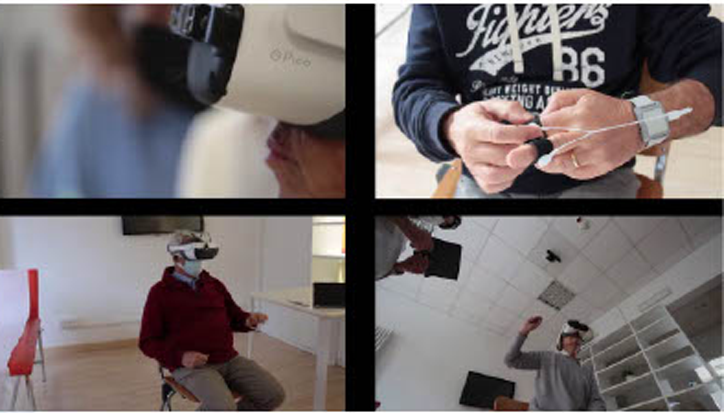
Unlike many digital therapy tools that rely solely on screen-based tasks, ORACIA encourages users to connect words with meaningful daily-life actions. Exercises progress from object recognition and naming toward functional communication – such as locating items in the home or using recorded prompts to support expression. This approach mirrors clinical reality, where generalisation of language skills to everyday activities remains a persistent challenge. Therapists reported that ORACIA helped maintain continuity between inclinic and at-home practice, while patients valued the structured progression and clarity of tasks.
From Prototype to Pre-Commercial Development
The final prototype met the technical and usability requirements for early-stage medical-device development. However, after the project ended, the consortium faces the common commercialisation challenges for medical devices: business strategic priorities to ensure short-term operation, long formal clinical investigation roadmap, long regulatory roadmap. As a result, the consortium members are now exploring possibilities for the exploitation of the results including a dedicated spin-off to carry ORACIA through certification and into the market. Despite these hurdles, clinical partners continue to use the tool in small-scale pilots, and stakeholders across several countries have expressed interest.
Lessons for Future Digital Therapy Development
The coordinator emphasised two main lessons. First, strong clinical partnerships and continuous user involvement are indispensable for solutions that support people with communication impairments. Second, exploitation requires a committed commercial champion early on; without this, even highly promising tools risk losing momentum after funding ends. ORACIA demonstrates that clinically credible, usercentred solutions can emerge within AAL, but sustained investment is essential to bring them to market.
Project Info
ORACIA was an AAL project developing a digital rehabilitation tool for post-stroke aphasia. Partners in Portugal, Luxembourg, Spain and Switzerland created a medical-grade prototype enabling therapist-supervised and home-based training, now being prepared for further clinical validation and commercialisation.